
"Even if the Customer Isn't God, the Clothes Are"
When great stores get it wrong.
The other week, I went back to Ven.Space, a menswear store near Prospect Park in Brooklyn. I wanted this to be a story about how great it was to hit the buzziest store town. After all, it doesn’t have a web store, which I love. Buying clothes online sucks! No exception. Even the best product shots and styling photos flatten great clothes into impersonal mush. Great clothes are 3D and when everything is flat, you lose necessary depth.
But when everything is smushed into a dense forest of brown and beige, depth is an inevitable casualty.
At this level of clothes, the shopping experience must be an experience. But, respectfully, the Ven.Space experience is not for me. I’ve stopped by about a half-dozen times since it opened and every time, I was underwhelmed. Whelmed, maybe.
I don’t mean this as a takedown — indie clothing boutiques are a godsend. The world desperately needs them and the world desperately needs them to thrive. But Ven.Space doesn’t need anyone’s help to succeed. It’s already WILDLY popular, as I’ve observed during every visit. Maybe too popular.
Whether I stop by on a weekday or weekend, I always have to contend with a massive crowd of dudes dressed like UPS drivers (shout out UPS drivers) sluggishly sifting through severely overburdened shelves that condense all these wonderful garments into a slurry of shapes, hues, textures, and prices. They’re disheveled, obscured, even flattened.
Comoli’s lovely all-black everything, patient indie label Slow Boat, Cristaseya’s sublime pajama-like wardrobe, Graphpaper’s big beautiful shirts, the genuinely-not-overrated A.Presse — all pulverized in the crush of clothing and bodies.
It’s overwhelming.
The last time I went, I only wanted to see the new season stuff. I find it fun to just look at clothes. I don’t need to buy anything. If I do, well, happy days.
But the store was disorienting and bustling. In their rush to grab and go, a horde of guys had torn through the clothes, leaving clothing off their admittedly complicated hangers or in crumped piles atop a table. I counted something like 60 pairs of jeans folded in cold metal cubbies that felt more like a museum display than a shoppable selection. Next to a nook dedicated to Ven.Space’s in-house brand, Taiga Takahashi and MHL and Lady White and Gabriela Coll and Studio Nicholson blended into an indiscernible waterfall of sheer product. You couldn’t tell Lea Boberg from Lemaire. I had no desire to patiently poke around. Stressful! I left quickly.
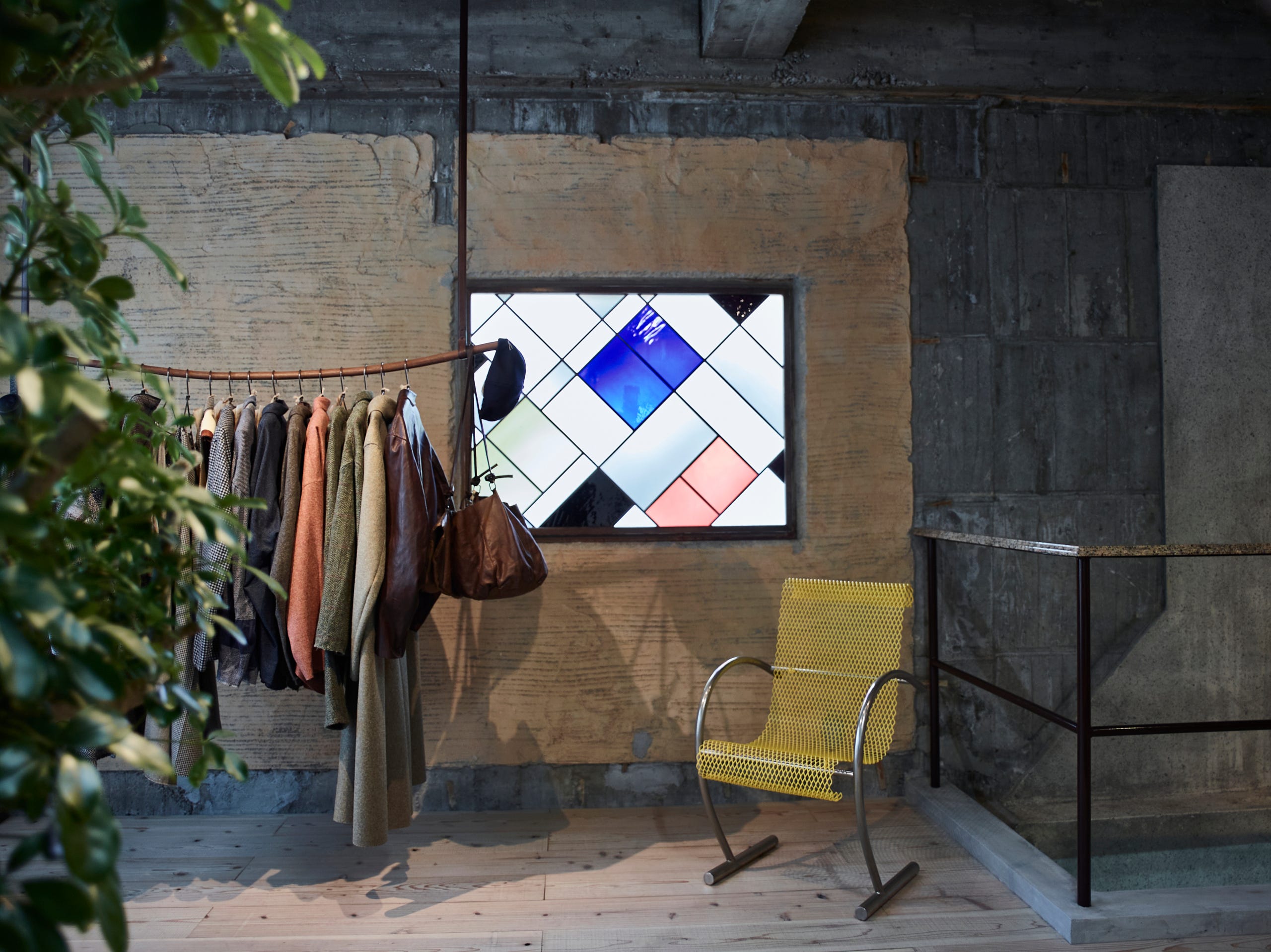
It made me reflect on the best kinds of shopping experiences, the ones that — I hate this word — inspire you to touch, try on, wear, enjoy. Rather than rushing to rustle through racks like a prospector sifting for gold, you linger. The purchase, if it comes, feels not obligatory but like serendipity.
I get why people adore Ven.Space. It’s aesthetic AF, packed with great brands, and hosted within a lovely neighborhood. There’s a park so close by that you can hear kids playing. The employee I spoke to on my last visit was very kind. I genuinely wish this place well. I just find that the experience flattening in a way that’s, ironically, not dissimilar from shopping online.
Maybe this is a chicken vs. egg situation. Is it the store or the people who swarm it? Well, I like to think I’ve been around the block. I’ve visited just about every other certified Menswear Dude store in the area (and beyond) but the only times I’ve felt similarly were sample sales where you’re all but encouraged to dash around, tearing apart piles of clothes. It’s so strange. It’s not even like most of these clothes can’t also be found at a handful of other local stores.
Now, I’ll try to be fair. I’m only focusing on Ven.Space because I find it particularly challenging (it’s also so successful that nothing I say will change its fortunes, nor should it). Other stores admittedly have the luxury of listing online, so they can be choosier about what’s on the floor. This is Ven.Space’s unique edge and disadvantage — because it must be experienced in-person, nothing can be hidden or else it’ll go unnoticed.
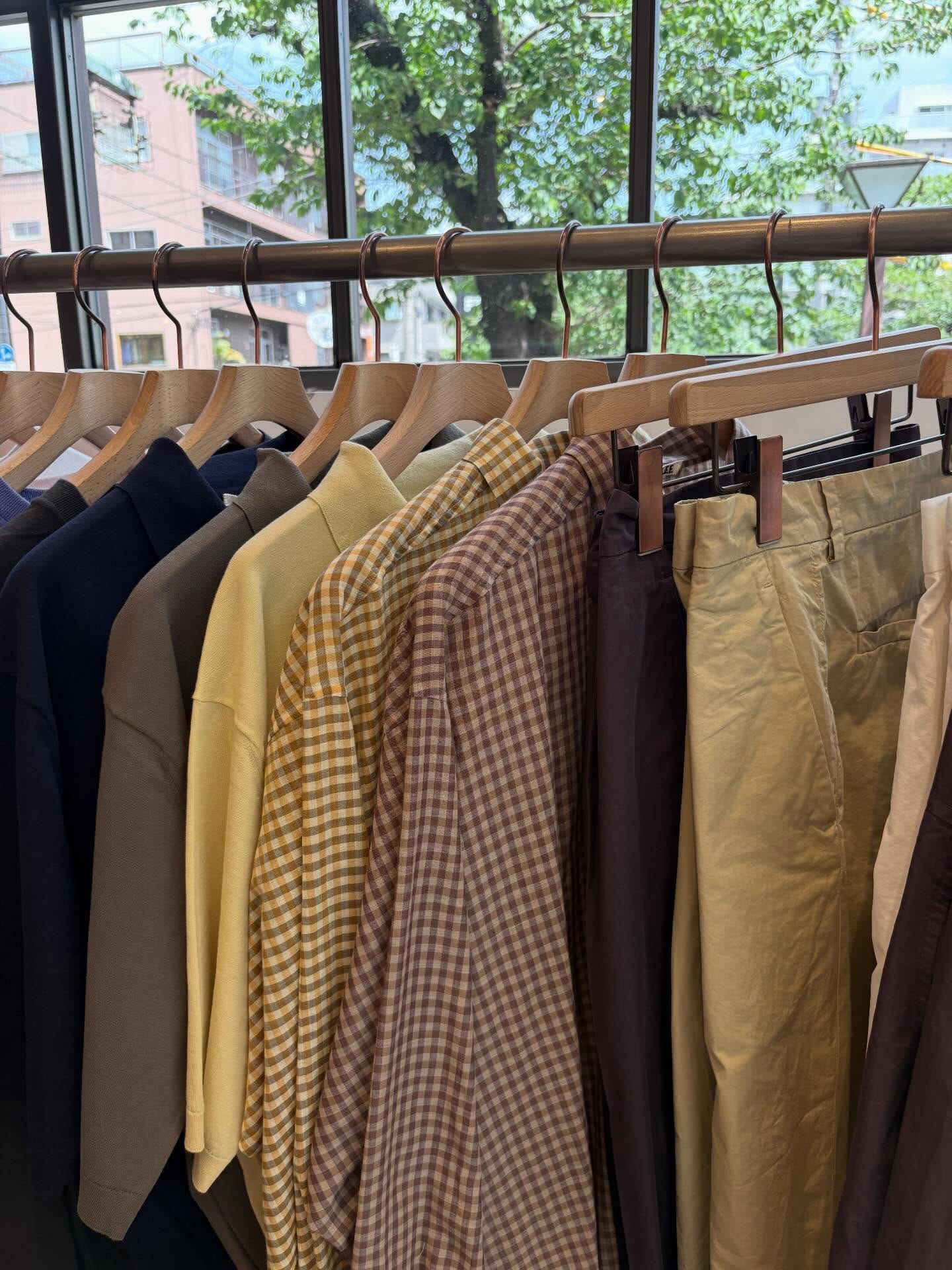
Still, there has to be a solution. It’s not just the overstuffed shelves but the stifling atmosphere, which feed into each other. Could this be solved by simply stocking fewer items in the store — which feels like a parallel to the overconsumption that undermines this whole “thoughtful clothing” thing — limiting the number of people inside, or reconsidering the displays the maximize room? Perhaps. Perhaps not.
My thing is, this clothing is considered. The experience of shopping it ought to feel the same.
Shopping for nice clothes is a lot like eating a nice meal. You expect a complete sensory experience, not only the food but everything around the food. Creature comforts are essential. Then, when the food is brought to the table, you see it. This gets the noggin joggin’. Next, you smell it. You salivate. Then, there’s touch, when you cut into it or pick it up. Finally, you taste it. It’s a series of compounding factors that ultimately lead to satisfaction.
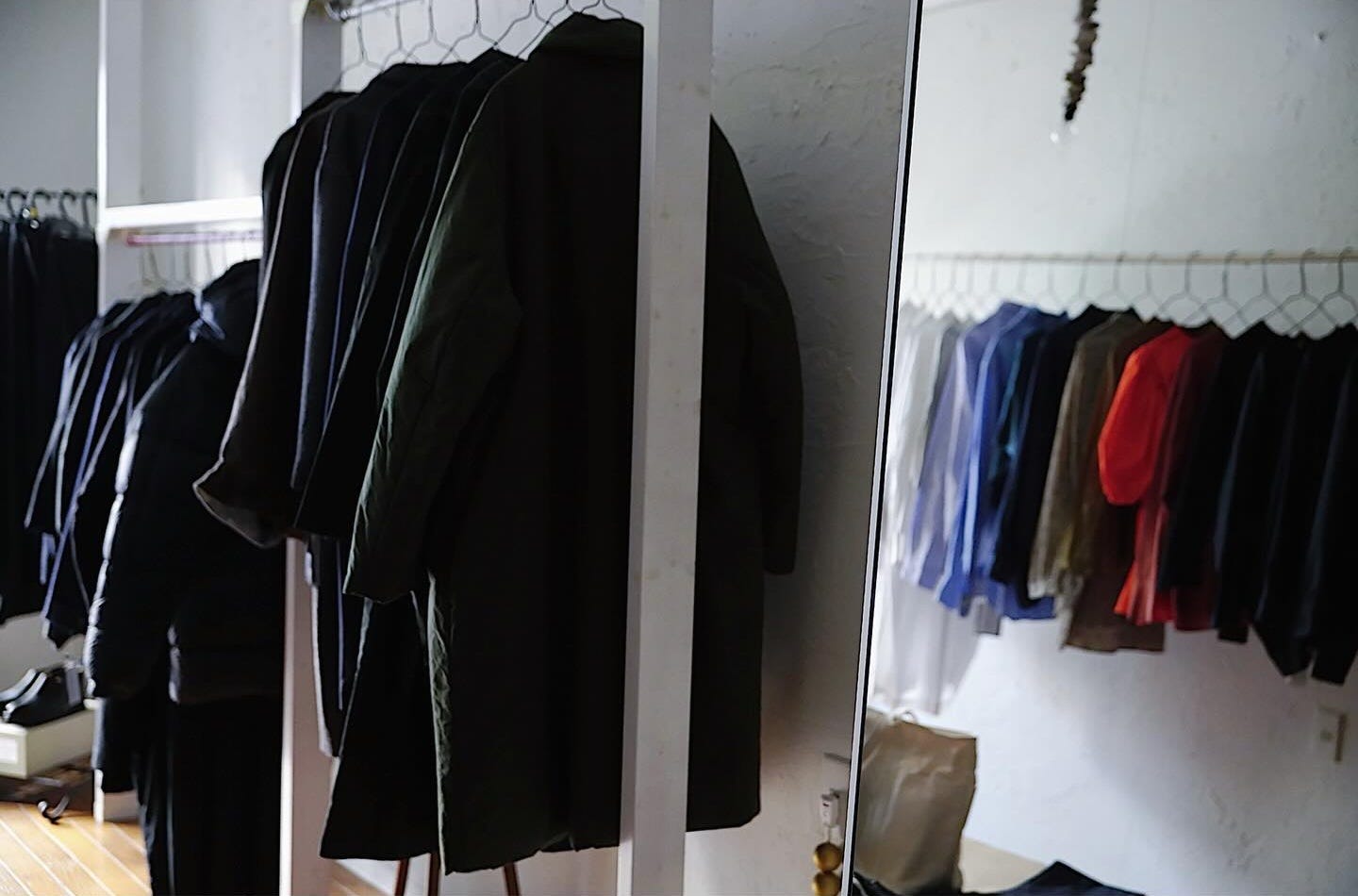
Compare that to, I dunno, McDonald’s. Order off a screen, receive an unappetizing bag, pull out a sandwich, and eat it. That’s food as fuel. That’s bland shopping. It’s one thing to buy things you need — a quick bite to eat, cheap clothes that fulfill a purpose — and another thing entirely to satisfy a true want. And if you really love clothes, you know that it comes from a place of pure want.
This level of clothing epitomizes luxury. The clothes rare and nice, so the experience of acquiring them must be similar. Hence why I love the idea of being forced to shop IRL - this forces the customer to come into direct contact with the product, as it used to be and should be. Sure, it's exclusionary but, frankly, everything is already too accessible. Intimacy and intent are a great solution to overundulgence.
Now, I’m not saying that the proper shopping experience demands silver platters and bathroom attendants. I just want this: Walk into a store, maybe take a whiff like you’re aerating wine — Incense? Candle? Fresh clothes? Then, the layout. Does it lead the eye? Does it let the eye wander? At best, you’re drawn inside. You touch cloth. You pull tags. You hold up to the light. A gratified hand invites the pinnacle moment, the taste test: a try-on. Savor it on body. This is a rich shopping experience. A pleasure.
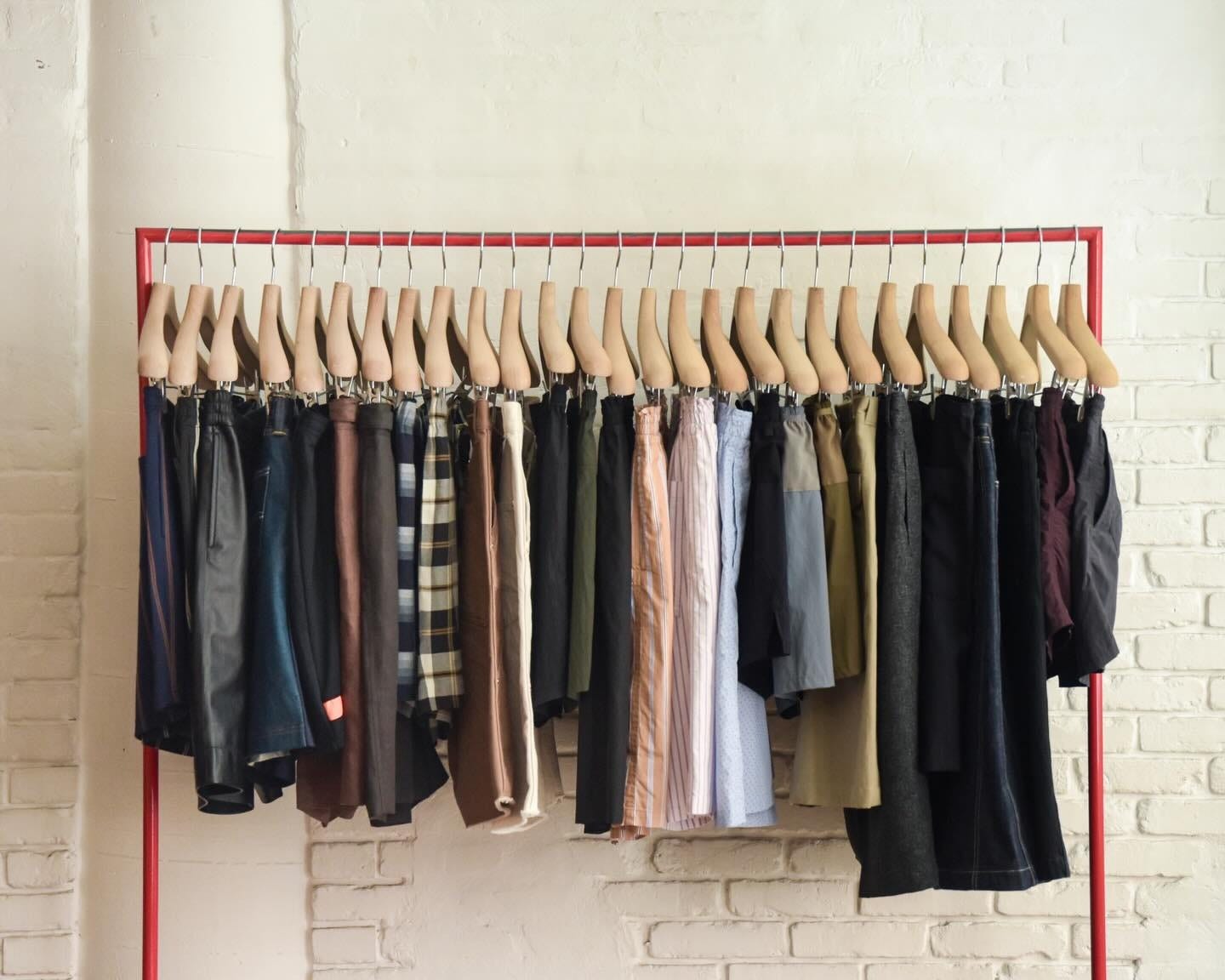
And look, no one needs anything truly fancy. A clean space that’s easy to navigate is fine. So long as the space puts product above all else. I’ll take substance over style any day. After all, it’s only the clothes that matter, right?
My issue is when shopping experiences attempt to juggle both and end up landing somewhere in the middle. If the substance is lacking, the style is irrelevant. Although, even if the substance is there, it might not be worth suffering through a wanting experience. That’s where I bounce off Ven.Space — I’m not satisfied with the substance, or lack thereof, so the style doesn’t satisfy.
Most people won’t care. They’re there to buy stuff. And that’s fine. But I’m not most people, for better or worse (surely worse).
What’s an experience I really like? Well, to avoid making unfair comparisons to local stores, which all have their own flavor and personality, let’s look elsewhere. Ah, yes — Japan. A subject I rarely talk about (joke). I lived in Nagoya for the better part of a year and visited Tokyo and Osaka on occasion during that time. I experienced every store imaginable, clothing or not: sprawling malls, stores housed in actual houses, and boutiques so small that the salesperson has to practically wait outside so that you have room to browse.
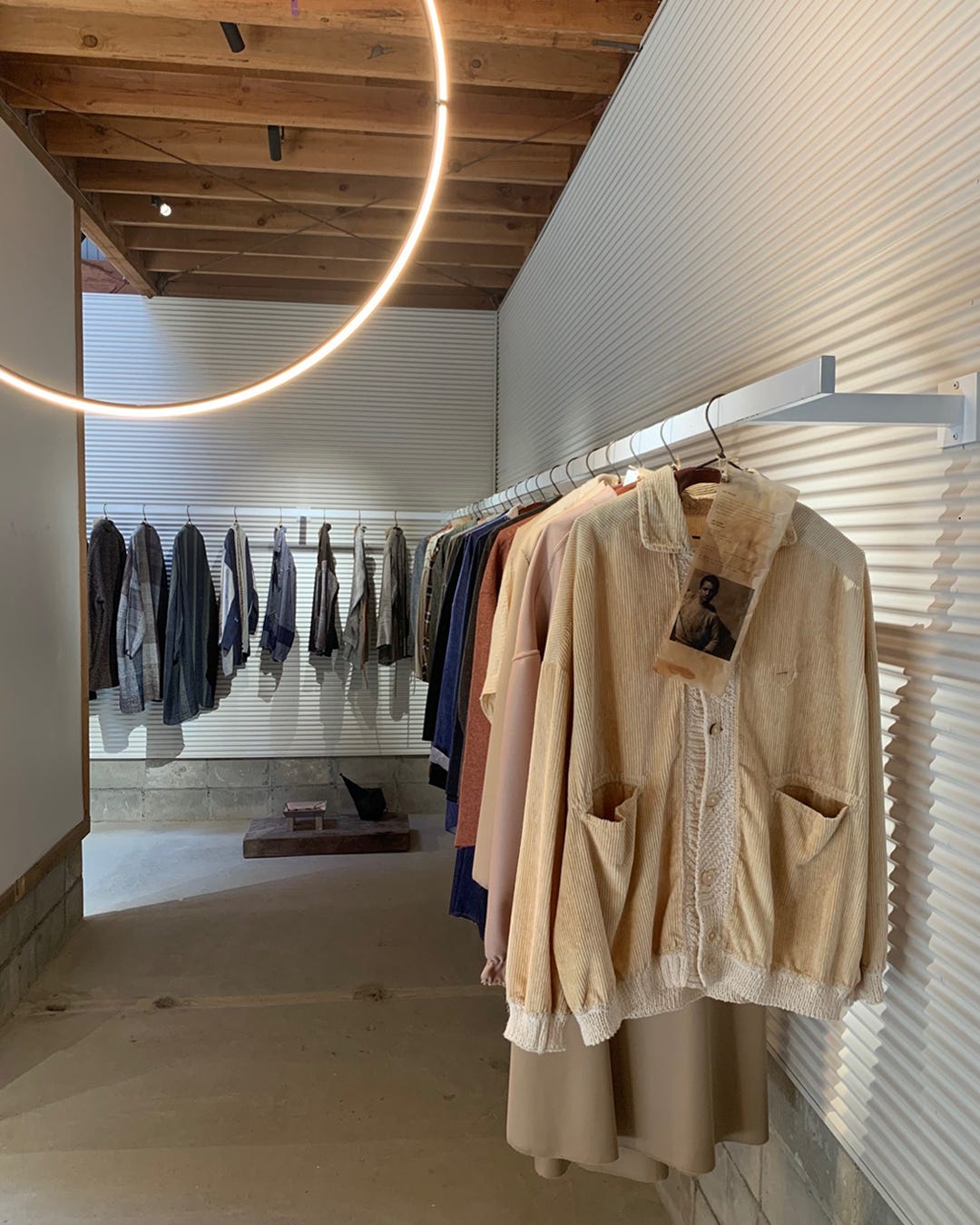
I’ll grant you that this was a decade ago so things could be different now. But my most impactful memory is of spaces set up with supreme respect for the clothes themselves. That’s what it comes down to — pedestaling product in a way that shows love for the product, as well as the people looking to love said product. Everything was deliberate, from the lighting to the displays to the fragrances that permeated the space.
I’ve heard from some people who visited Japan and found it unpleasant when salespeople followed them through the store and whipped clothes straight off the rack to present it to them if the shopper seemed even remotely interested. That’s fair. I also prefer to shop myself, without someone hovering around me. But the idea is to create a holistic experience, one where the customer is god. This approach obviously has a ton of issues.
But in the context of a clothing store, I appreciate at least the notion of having garments handled, unbuttoned, and prepared for you. I appreciate the staff explaining the properties and design of the product. I wouldn’t expect that in a store here, because it’s truly OD when there are a million customers. But it’s nice to see so much respect leveled upon the clothing itself, if not the people shopping it. Like, I’m happy to be left alone. But give the clothing its due. Even if the customer isn’t god, the clothes certainly are.
The one exception was at the “recycle” stores like Kindal and Second Street, which were pretty compressed (same for Second Street’s American stores, really). But secondhand stores get a pass. Shopping secondhand should feel like digging in the crates for a great vinyl record. Shopping newness should feel like perusing a gallery with great taste.
Not that Ven.Space isn’t that. It actually is, as indicated by its elegant furnishings and brand selection. At the end of the day, it’s all good stuff.
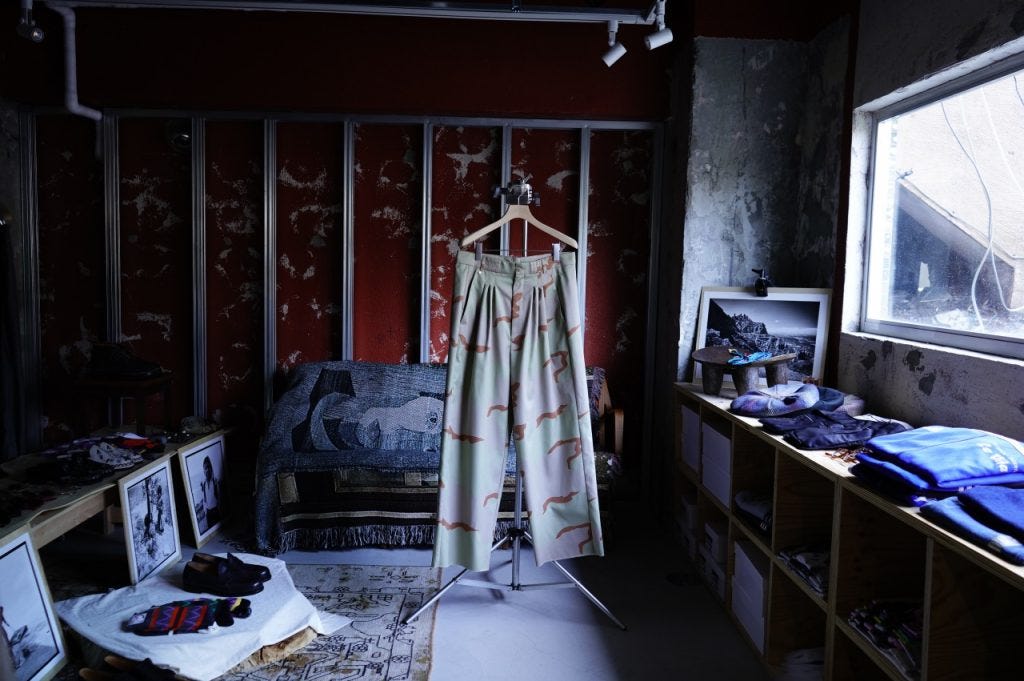
I’m just saying that the experience of buying it ought to also feel good.
The gallery analogy is probably best you’re onto something. If you want to really experience retail you should hit up the new Primark in New York. If it’s anything like home you may not come out alive
YUP